
Montessori education captivates parents and educators alike for three compelling reasons: it aligns perfectly with a child’s natural development, respects their individuality, and sparks genuine joy in learning. At the heart of this approach is a thoughtfully designed environment, divided into specialized zones for subjects like math, language, science, and culture. In this article, we’ll explore these elements, with a special focus on how Little Lea integrates Montessori principles to nurture young minds.
Hands-On Learning: Where Play Meets Purpose

When children first step into a Montessori classroom, they’re instinctively pulled toward the Practical Life area—a space brimming with everyday tasks that mirror adult routines. These activities sharpen fine motor skills, boost concentration, and instill a deep sense of accomplishment. Imagine a child carefully pouring a drink, toasting bread, spreading jam with precision, or scrubbing dishes until they gleam. Each task is crafted to awaken a child’s innate curiosity and appreciation for beauty, offering just the right level of challenge to inspire growth without frustration.
In Montessori, children aren’t rushed; they repeat activities until they’ve achieved mastery, then gracefully advance. They select their own “work,” pouring their energy into it and craving that sweet taste of success. Instructions are concise and respectful—few words, clear sequences—and every endeavor is treated as meaningful “work,” not mere play.
A Simple Lesson in Focus: Nuts and Bolts

Take, for instance, a classic activity involving a drawstring bag stocked with four bolts and their matching nuts, tucked into neat pockets. The child unzips the bag, uncovers the treasures inside, pairs each nut to its bolt, twists them together with care, then reverses the process before stowing everything back in place. On the surface, it’s about building skills like sequencing, matching, and fine threading. But to the child? It’s an irresistible invitation to explore and create.
The Spark of Discovery: “Look What I Get to Do!”
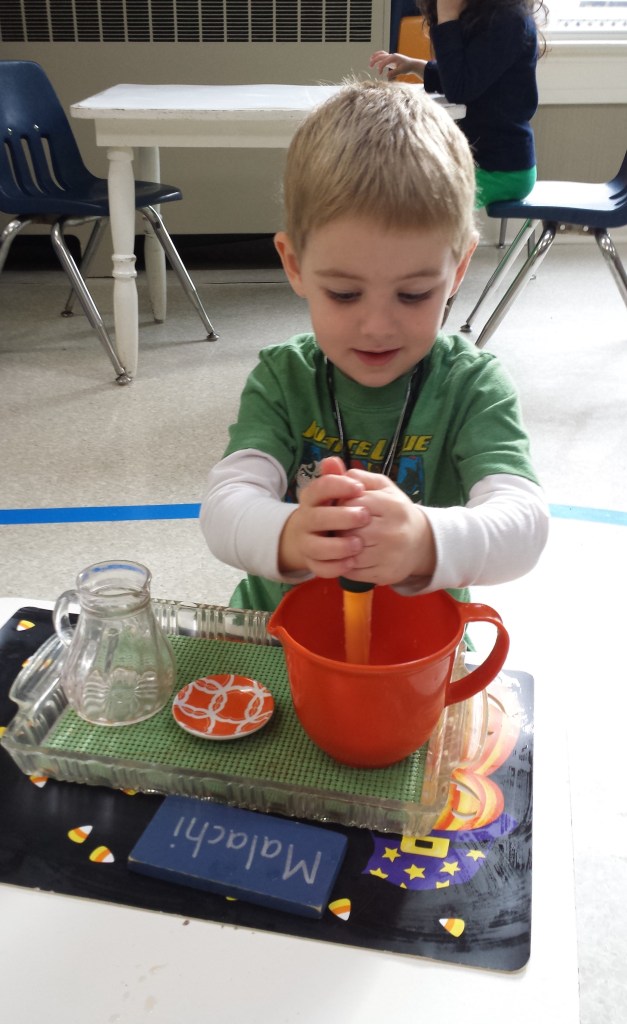
Picture this: A young visitor, wide-eyed with wonder, uses a baster to shuttle water between two bowls. Bursting with excitement, he calls to his brother, “Hey, look at what this lady is letting me do!” Moments like these capture the essence of Montessori—children who aren’t just learning, but thriving with unbridled enthusiasm, eager to share their triumphs and dive deeper into their passions.
Building Character Through Skill and Repetition

Beyond the fun, Practical Life exercises lay the foundation for character development. They foster self-assurance, hone dexterity, deepen focus, and encourage hands-on engagement with the world. The possibilities are endless, limited only by an adult’s creativity: wielding scoops, tongs, or chopsticks; grinding coffee by hand; peeling potatoes or slicing cheese; threading needles for sewing buttons, stitching seams, or even finger-knitting; polishing everything from mirrors to silverware; sorting treasures by texture or color; embarking on sensory hunts in textured bags or outdoor “digs”; dipping toes into art with brushes and clay; or tackling chores like sweeping floors, mopping spills, folding linens, or wringing out sponges.
Igniting a Lifelong Passion for Learning
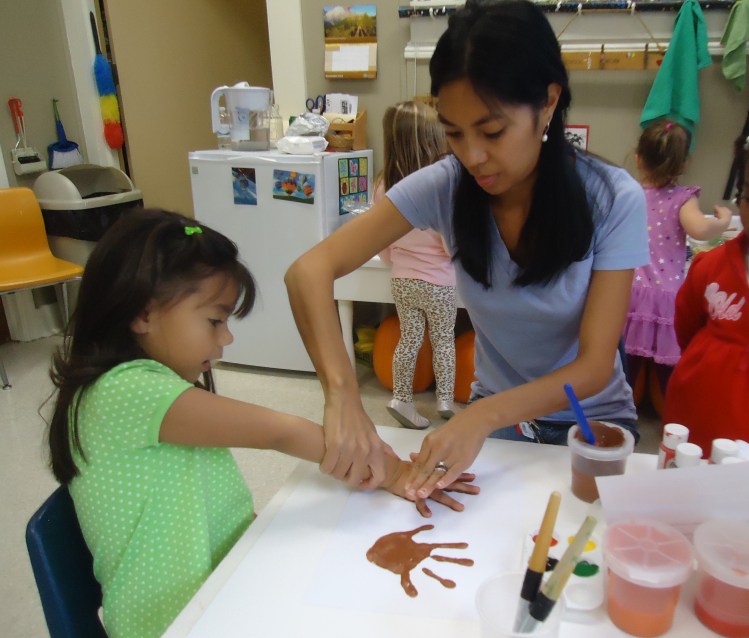
After eight years of guiding 3- to 6-year-olds in multi-age classrooms, one thing stands out: the Practical Life area isn’t a pit stop—it’s a lifelong anchor. Kids weave in and out of it, returning after tackling advanced math (like adding four-digit numbers), language puzzles, scientific experiments, or cultural explorations. A five-year-old might conquer a complex equation, then unwind by tonging ping-pong balls into a muffin tin or weaving colorful ribbons. These rhythmic, calming tasks allow the mind to consolidate new knowledge, processing it through joyful repetition.
In essence, the Practical Life zone isn’t just the entry point to Montessori—it’s the steady heartbeat that keeps the entire system alive, turning everyday moments into profound opportunities for growth. At Little Lea, we see this genius unfold every day, watching children blossom into confident, curious explorers of their world.
 littleleaharrodsburg.com